
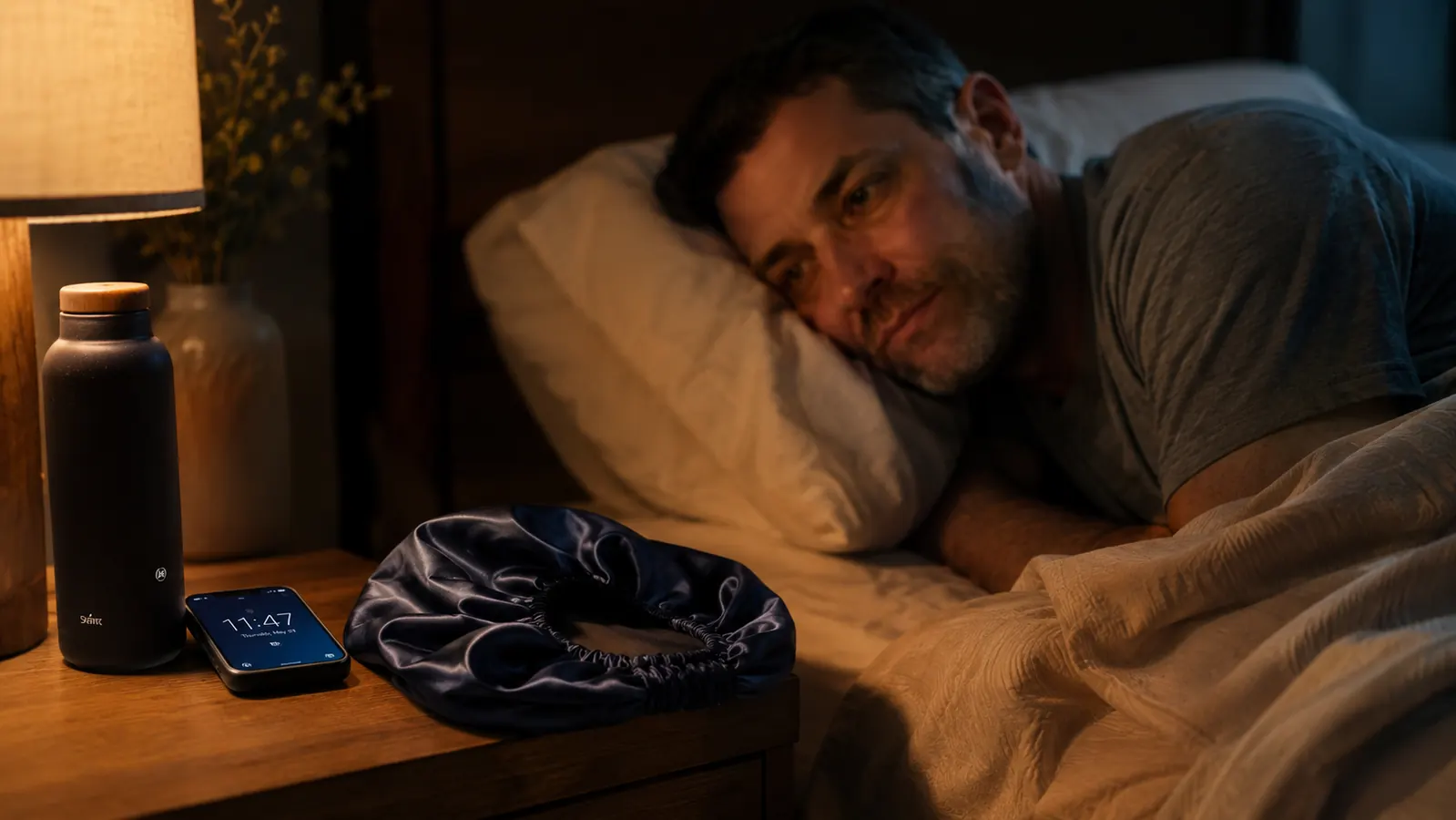
I already wrote a full review of the Wbfwbb 2 Pcs Silk Bonnet after my wife Casey wore it every night for four months straight, and that review is genuinely positive. This one is different on purpose. This is the review I wish someone had written before I bought it, the one that tells you what starts to go wrong after the honeymoon period, not just what feels great on night one.
Because here's the thing nobody selling a six dollar Wbfwbb two-pack wants to lead with, and it's not really their fault, most reviews get written after a week of use when everything is still new and tight and perfect. Ours has been in rotation in our house for close to a year now between Casey, our daughter Emma, and even a friend of Casey's who borrowed one for a weekend trip. That's long enough to see where the seams actually show, and I'd rather tell you now than have you find out at month seven like we did.
The Quick Verdict
Still a smart buy for the price, but the elastic loosens with regular washing, it's satin rather than real silk despite the name, and it fits some hair types noticeably better than others.
Amazon Check Today's Price →Before you buy, know exactly what changes after month six.
This isn't a takedown. It's the maintenance-and-fit reality that the five-star reviews skip past. See today's price and decide with the full picture.
Amazon Check Today's Price on Amazon →How I'm Actually Judging This
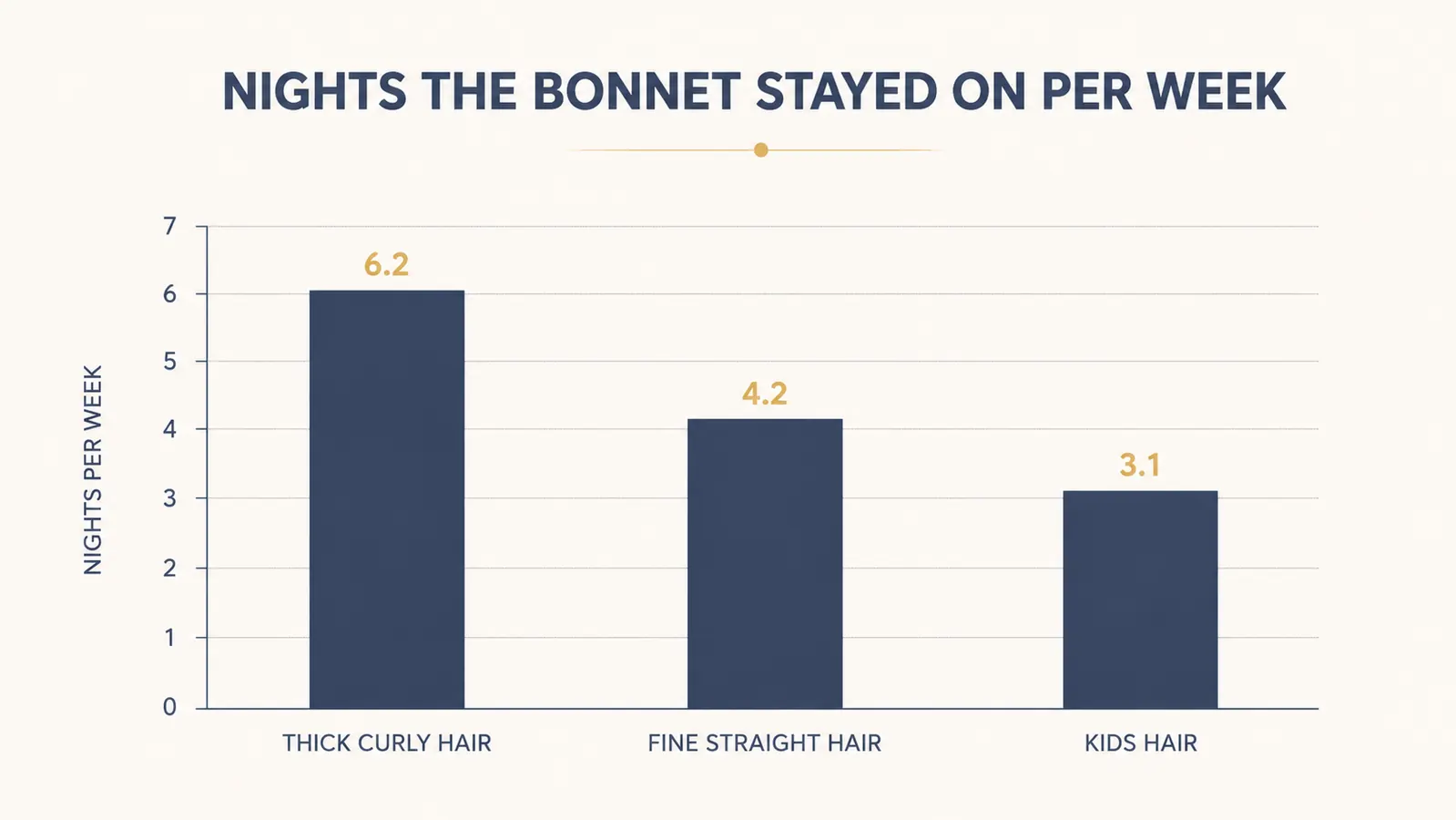
I'm not a hairstylist and I'm not going to pretend I understand the technical difference between fiber types the way a chemist would. What I can tell you is what I've watched the Wbfwbb bonnet do in my own house, night after night, across three different heads of hair. Casey has thick, curly hair. Emma is six and has finer, straighter hair that's still thin the way a lot of little kids' hair is. And Casey's friend Dana, who tried one of the bonnets for a long weekend when she came to stay with us, has fine, straight hair as an adult, which turned out to be a useful comparison point I didn't expect to get.
I also went back and reread the Amazon listing closely, because after Casey mentioned the fabric felt different from a silk pillowcase she used to own, I wanted to know what the product actually claims versus what it actually is. That distinction turned out to matter more than I expected, and I'll walk through exactly what I found.
Last thing worth saying here, our dog Biscuit has zero opinion on fabric composition, but she has strong opinions about anything that ends up on the bedroom floor, which is relevant later when I get to the slip-off issue.
The Elastic Stretches, and Nobody Mentions That Part
When this bonnet is new, the elastic band around the opening has real snap to it. It hugs the hairline without being uncomfortable, which is the thing every review, including mine, praises early on. What changes is what happens after you wash it repeatedly over months, which you have to do since satin traps oil and product residue faster than you'd think.
Casey hand washes both bonnets roughly every two weeks. By our count, that puts each bonnet through somewhere around twenty wash cycles over the better part of a year. Around wash number fifteen or so, she started noticing the band on her main bonnet had lost some of its original tension. It still stretches to fit, but it no longer springs back quite as tightly against her head as it did in month one. She compared it to an old pair of leggings that still technically fit but don't hold their shape the way they used to.
This isn't a defect. Elastic wears out with use and washing, that's just physics. But it's the kind of thing a two-week review can't tell you, and it's exactly the kind of detail that changes how you plan for the product. If you're buying this expecting the elastic to feel the same at month ten as it did at day one, you'll be disappointed. If you go in knowing you may want to replace it or tighten your hair setup a bit more as the year goes on, you'll be fine.
One thing that helped confirm this wasn't just Casey's imagination was comparing her main bonnet against Emma's, which gets worn maybe half as often since kids skip nights more easily than adults with an established routine. Emma's bonnet, worn roughly half the nights, still has noticeably more spring in its elastic than Casey's does. Side by side, you can feel the difference just pulling on both bands with your fingers. That comparison is what finally convinced me this is wash-and-wear cycles doing what wash-and-wear cycles do, not a one-off bad unit.
The Slip-Off Problem Got Worse, Not Better
My earlier review mentioned one slip-off incident during the adjustment period in the first couple of weeks. I want to be straight with you about what's happened since then, because it's not a one-time thing that went away. As the elastic loosened over the following months, the frequency crept back up. Casey estimates the bonnet has slipped at least partway off her head somewhere between eight and ten times over the full stretch we've owned it, with most of those happening in the back half of that time, not the front half.
It's not catastrophic. It's usually shifted to one side or pushed back off her forehead rather than fully off, and she's slept through most of these without waking up. But twice she's woken up around 3 or 4 in the morning with it bunched at the back of her neck, tangled in her own hair, which somewhat defeats the point of wearing it in the first place. Both times were on nights she went to bed with looser, damper hair rather than her usual dry twist, which does seem to make a real difference in how well the bonnet holds.
The workaround that's helped the most is tightening the twist underneath before bed and, on nights the elastic feels especially loose, doubling it slightly at the back by folding the edge under itself. It's a fifteen-second fix, but it's a fix you have to know about and actually do, not something the product handles on its own the way a snugger-fitting bonnet might.
Satin, Not Silk, and the Label Plays It Both Ways
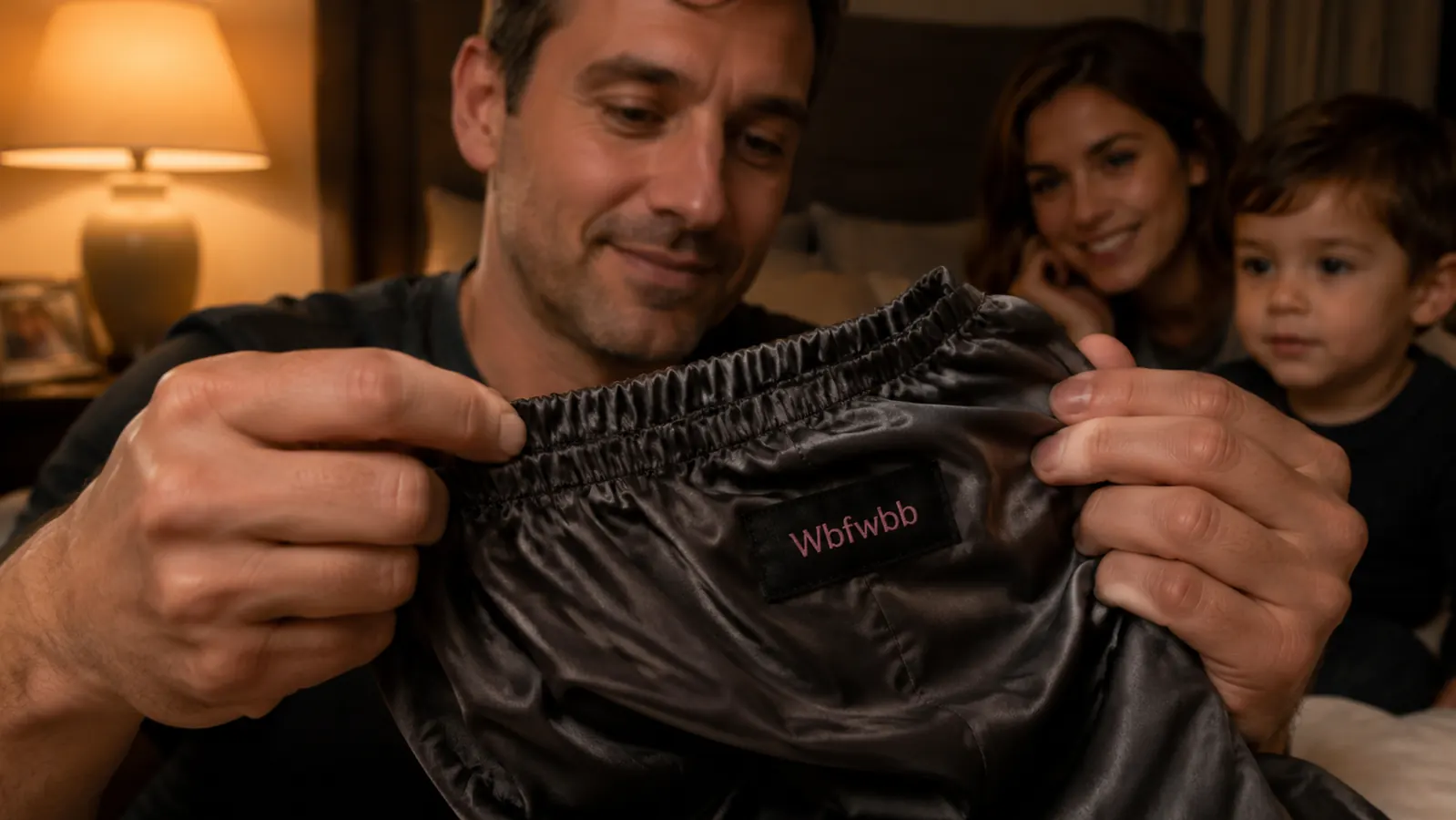
This is the part I think deserves the most direct callout. The product title uses the word silk. The lining is satin. Those are not the same material, and the difference is not just marketing semantics, it actually matters for what you're buying.
Real mulberry silk is a natural protein fiber that's naturally smoother and more temperature-regulating, and it tends to hold up differently over repeated washing. Satin, in a product at this price point, is almost always a woven synthetic, usually polyester, finished to have a similar sheen and slide to silk. It can feel genuinely nice against skin and hair, and it does reduce friction compared to cotton, which is the whole reason this category of product exists. But it is not the same thing as silk, and it doesn't behave identically over the long run.
Casey noticed this firsthand because she used to own an actual silk pillowcase years back. She describes this bonnet's lining as smooth but with a slightly different, almost cooler-to-the-touch-but-less-slick feel compared to real silk. It's not a bad feeling, it's just a different one, and if you're buying this specifically chasing the benefits people associate with real silk, you should know you're getting a satin approximation of those benefits, not the genuine material. For the price, most people, including us, still think that's a fair trade. But it's a trade you should make with your eyes open, not because a product title used the word silk in it.
I'll also say the care instructions on the packaging back this up if you read closely instead of just the front-facing title. The tag inside recommends hand washing in cold water and laying flat to dry, which is standard care for satin blends, not the kind of care you'd typically see recommended for genuine silk garments sold at a premium. It's a small detail, but it's one more piece of evidence that the honest material here is satin doing a very reasonable impression of silk, not silk itself.
Why It Fit Casey Better Than It Fit Dana
This is where the fit differences got interesting, and it's information I didn't have until Dana borrowed one for her weekend visit. Casey has thick, curly hair, and she typically wears it in a loose twist before bed. The bonnet's generous, roomy sizing, which the listing markets specifically for braids and thicker styles, fits that setup really well. There's enough room for volume without the band feeling tight.
Dana has fine, straight hair and normally just pulls it into a low bun or leaves it down. On her, the same bonnet that fits Casey comfortably looked and felt noticeably loose. She mentioned it shifted around more just sitting up in bed reading, well before she even tried to sleep in it, and she ended up tucking the extra fabric under at the back to keep it from flopping to one side.
Emma's experience sits somewhere in between. She's six, with finer hair than her mom but more of it than Dana, and she manages the size fine but needs the elastic snugged a bit tighter than an adult with thicker hair typically would, since there's simply less hair underneath to fill out the shape and hold everything in place.
The pattern that's emerged for us is pretty consistent. If you have thick, curly, or voluminous hair, this bonnet's generous cut is a genuine advantage. If you have fine, straight, or thin hair, the same generous cut works against you a little, and you'll likely need to tuck, twist your hair tighter first, or accept some extra shifting overnight that thicker-haired wearers don't deal with as much.
What I Liked
- Genuinely comfortable satin feel for the price, better than cotton and better than a scarf tied at night
- Roomy cut is a real advantage for thick, curly, or braided hair specifically
- Two bonnets in one order means you can rotate one while the other's being washed
- Held up structurally over close to a year of regular use, no rips or seam failures
- Fine for occasional overnight guests to borrow, as our experience with Dana showed
Where It Falls Short
- Elastic noticeably loosens after roughly fifteen or more wash cycles, increasing slip-off frequency over time
- Marketed as silk in the title, but the lining is satin, most likely polyester, not real mulberry silk
- Fit runs generous, which helps thick hair but leaves fine or straight hair looser and more prone to shifting
- Slip-offs became more common in month six through month ten than they were in the first few weeks
- Requires ongoing hand washing and flat drying, no shortcuts without shortening its useful life
Nobody tells you the elastic that feels perfect on night one is a different elastic by month eight. It still works. It just doesn't work the same way, and that's worth knowing before you buy.

Who This Is For
If you have thick, curly, or textured hair and you're looking for an affordable way to test whether a satin bonnet habit will actually stick before spending more on a premium single bonnet, this is still a smart starting point. The roomy fit works with your hair type rather than against it, and getting two in one order means you or someone else in your house can each have your own without a second purchase.
It's also reasonable if you're willing to do a little maintenance, tightening your hair setup as the elastic ages and hand washing on a schedule, in exchange for a genuinely comfortable, budget-friendly product that lasts close to a year of nightly use before you'd want to consider a replacement.
It's also worth it if you've got more than one person in your house who could use one, the way we've split ours between Casey and Emma. Just go in expecting to check the elastic every few months and adjust your hair setup accordingly, rather than assuming it'll perform exactly the same in month ten as it did in week one.
Who Should Skip It
Skip it if you have fine, straight, or thinner hair and you want something that stays put without any adjustment on your end. Based on what we saw with Dana, and to a lesser degree with Emma, the generous sizing that benefits thicker hair works against finer hair, and you may end up dealing with more shifting and tucking than you'd want to bother with.
Skip it too if the word silk in the title is the actual reason you're buying, and what you want is genuine mulberry silk's specific feel and properties. This is a satin product, comfortable and effective at reducing friction, but not a substitute for real silk if that's specifically what you're after. And if you're not willing to hand wash on a regular schedule and expect to tighten your fit as the elastic ages over the year, you'll likely be more frustrated with this than we've been.
Now you know what changes after month six. The choice is still yours to make.
Even with the elastic wear and the satin-not-silk label, this two-pack has stayed in our nightly rotation for close to a year. See today's price and weigh it with the full picture in hand.
Amazon Check Today's Price on Amazon →